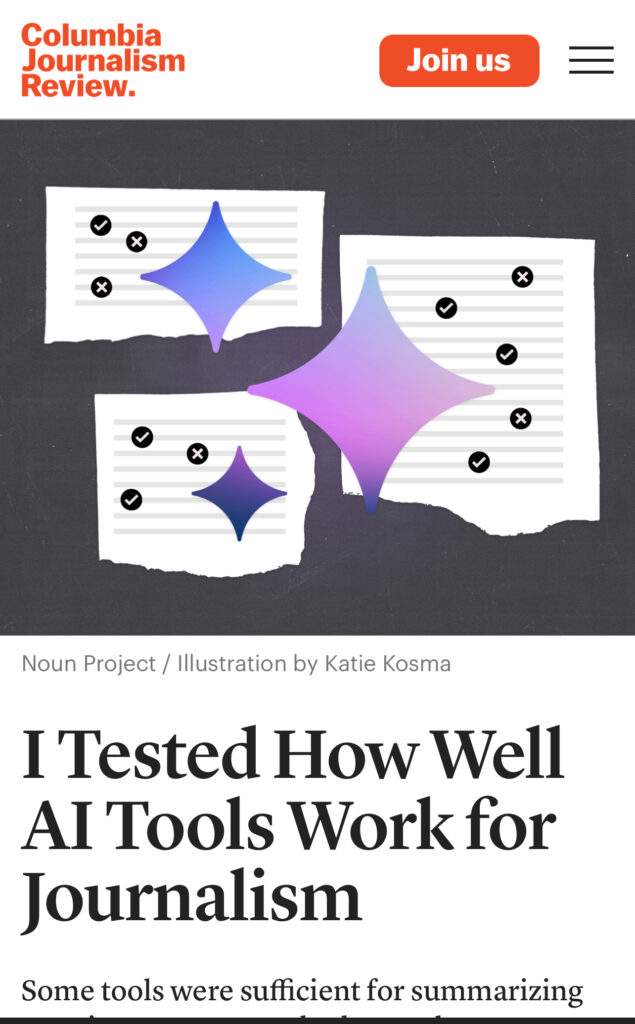
As artificial intelligence increasingly shapes public life, the need for rigorous reporting on its impact has never been more urgent. That belief led me to volunteer as a mentor and editorial advisor for an international AI accountability reporting fellowship organized by the Centre for Journalism Innovation and Development.
The fellowship brought together journalists working on investigative stories examining the social, political, and technological implications of artificial intelligence and emerging technologies. My role was to support a cohort of fellows as they developed their reporting ideas and transformed them into clear, well structured investigative stories.
Working with reporters across different newsrooms and regions, I provided editorial guidance at multiple stages of the reporting process. We refined story angles, interrogated assumptions, strengthened evidence, and shaped narratives that would resonate with readers while maintaining strong accountability journalism standards.
Much of the work centered on helping journalists translate complex technological issues into accessible stories. Artificial intelligence is often discussed in abstract terms. Our goal was to ground these conversations in real world impact, asking questions about power, transparency, and responsibility.
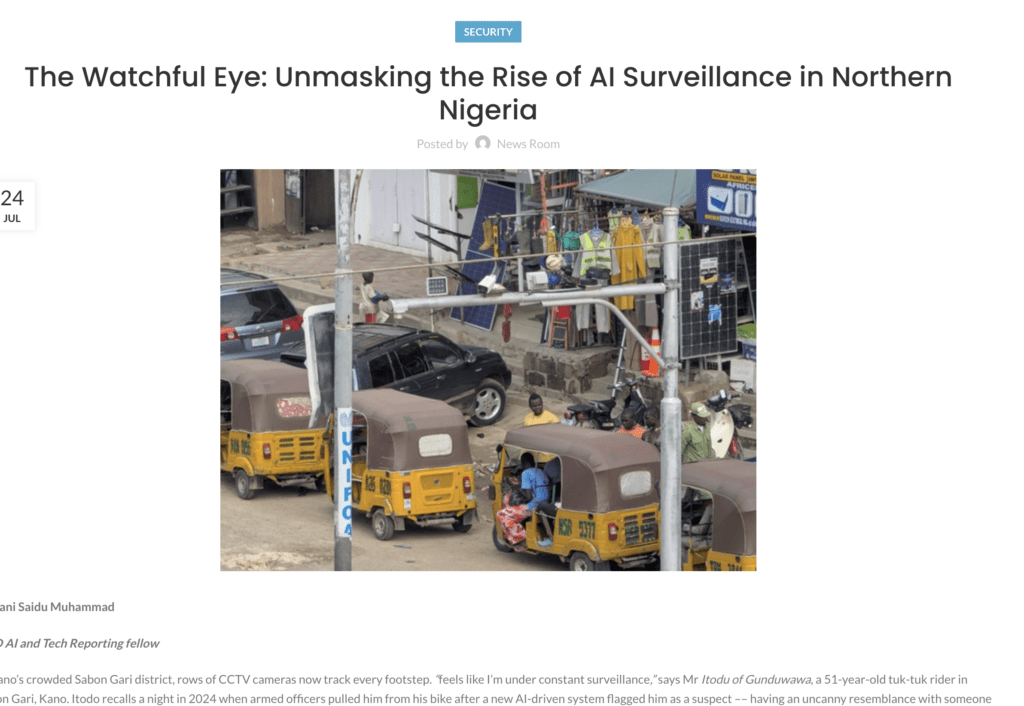
Throughout the fellowship, I reviewed drafts, provided structured editorial feedback, and held regular check-ins to help fellows navigate reporting challenges. These conversations often focused on strengthening narrative clarity, sharpening investigative angles, and ensuring that every story maintained a strong factual foundation.
Mentorship in this context was beyond editing. It meant helping journalists build confidence in their reporting instincts while encouraging rigorous verification and ethical storytelling. Watching these investigations evolve from early ideas into published accountability reporting was deeply rewarding.
This experience also reinforced something I care deeply about in journalism. As technology evolves, reporters must be equipped with the tools and frameworks needed to scrutinize it responsibly. Mentorship is one way to help build that capacity across the profession.
Wins and Impact
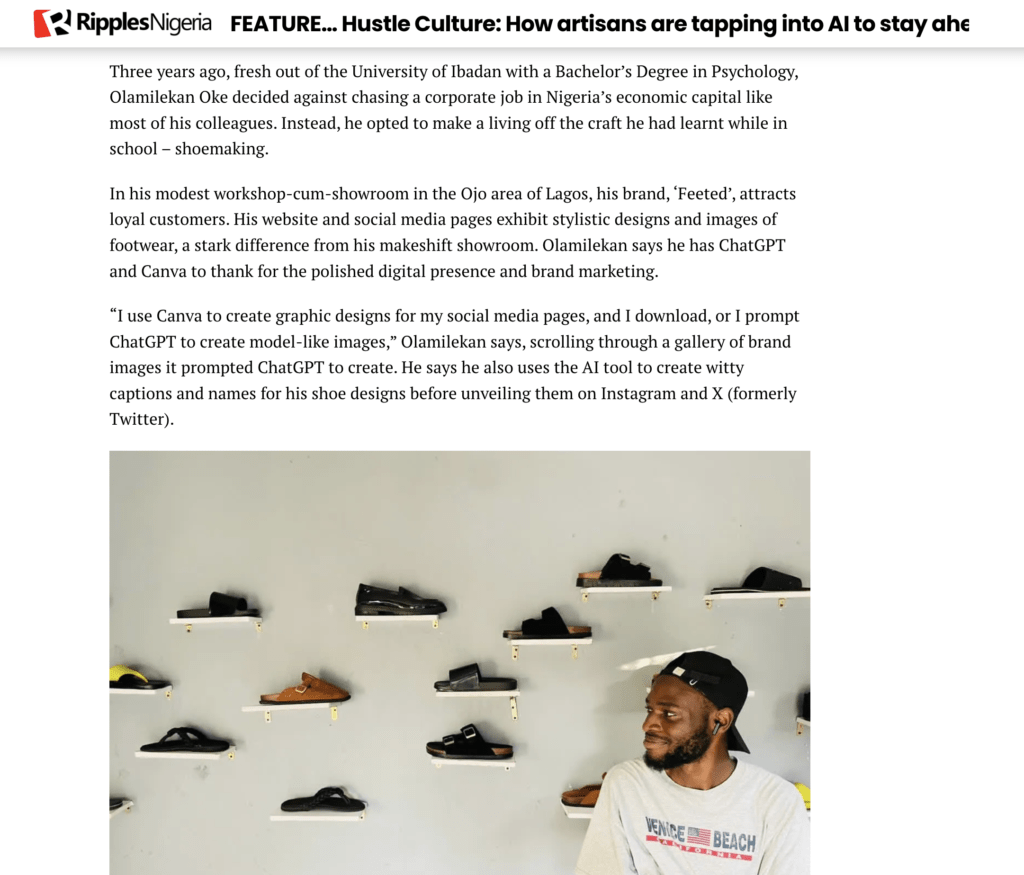
Through this mentorship and editorial role, I supported the publication of more than 30 stories examining artificial intelligence and technology accountability across Africa. I provided editorial guidance on story development, investigative framing, and narrative clarity, helping reporters strengthen the structure and direction of their work. Throughout the fellowship, I reviewed drafts and delivered structured feedback to elevate reporting quality and ensure each piece met strong standards for verification, coherence, and investigative depth. A key part of my role involved helping journalists translate complex technological issues into accessible public interest reporting. Collectively, this work contributed to building newsroom capacity for sustained coverage of artificial intelligence governance and accountability.